
Description
Product Overview:
KPV (Lys-Pro-Val) is a synthetic tripeptide derived from the C-terminal sequence of the endogenous hormone α-melanocyte-stimulating hormone (α-MSH). It is widely studied for its role in modulating inflammatory signaling pathways and cellular immune responses.
As a minimal bioactive fragment of α-MSH, KPV retains key biological activity associated with melanocortin signaling, particularly in relation to cytokine regulation and immune system modulation. Unlike the full α-MSH peptide, KPV provides a simplified structure that is frequently used in controlled laboratory environments to isolate specific signaling effects.
The KPV peptide offered by Proliven Labs is supplied as a high-purity (≥99.5%) lyophilized powder, manufactured under controlled conditions for consistency and reproducibility in research settings.
Functionally, KPV has been studied in a range of experimental models involving:
- Regulation of inflammatory cytokines (e.g., TNF-α, IL-6)
- Modulation of NF-κB signaling pathways
- Investigation of epithelial and mucosal barrier function
- Cellular response to inflammatory stimuli
Due to its targeted activity and small molecular structure, KPV is commonly utilized in in vitro studies and preclinical research models focused on inflammation and immune signaling.
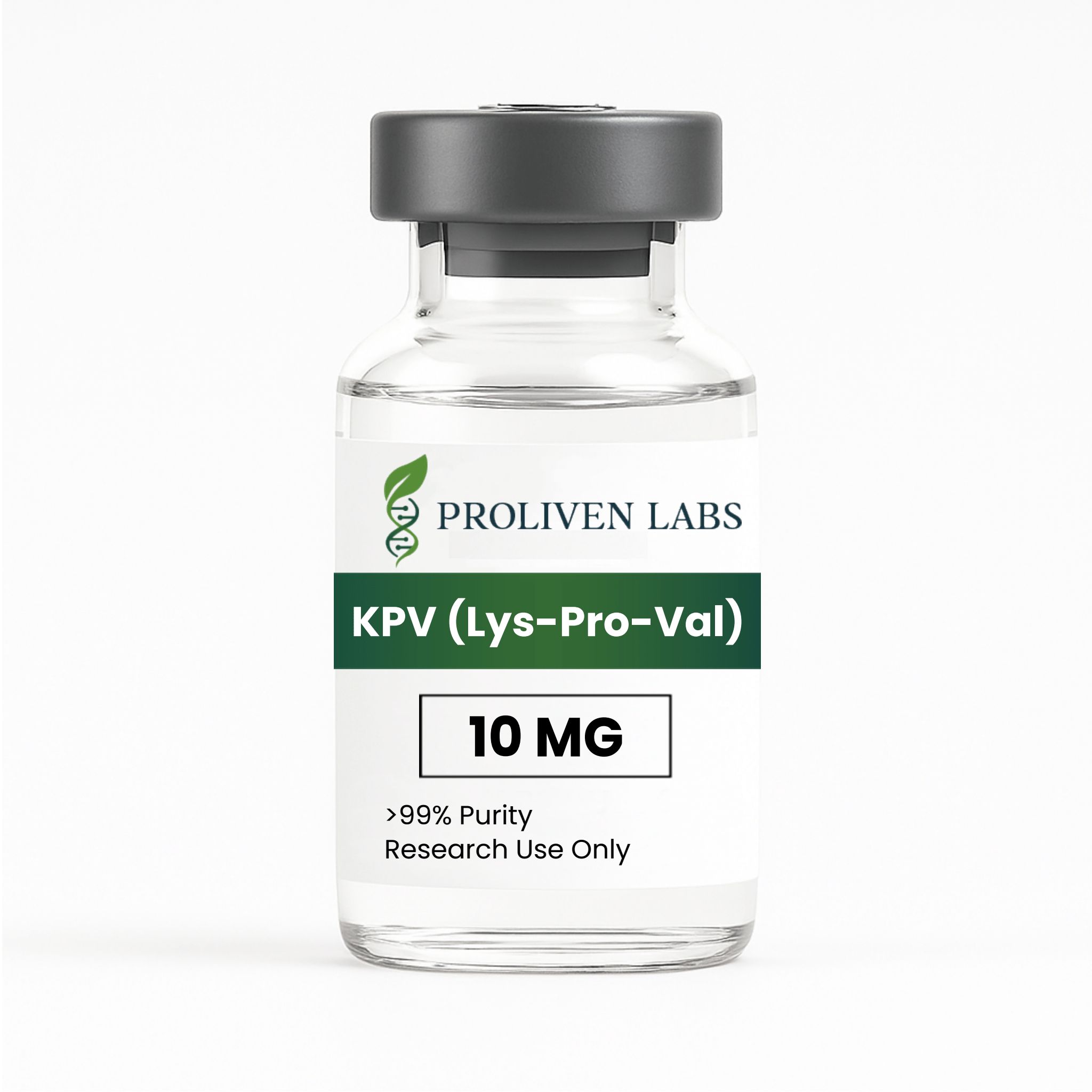
Each vial contains 10mg of lyophilized KPV peptide, verified through batch-specific analytical testing.
This product is intended strictly for research use only (RUO). Not for human or veterinary use.
Peptide Specifications:
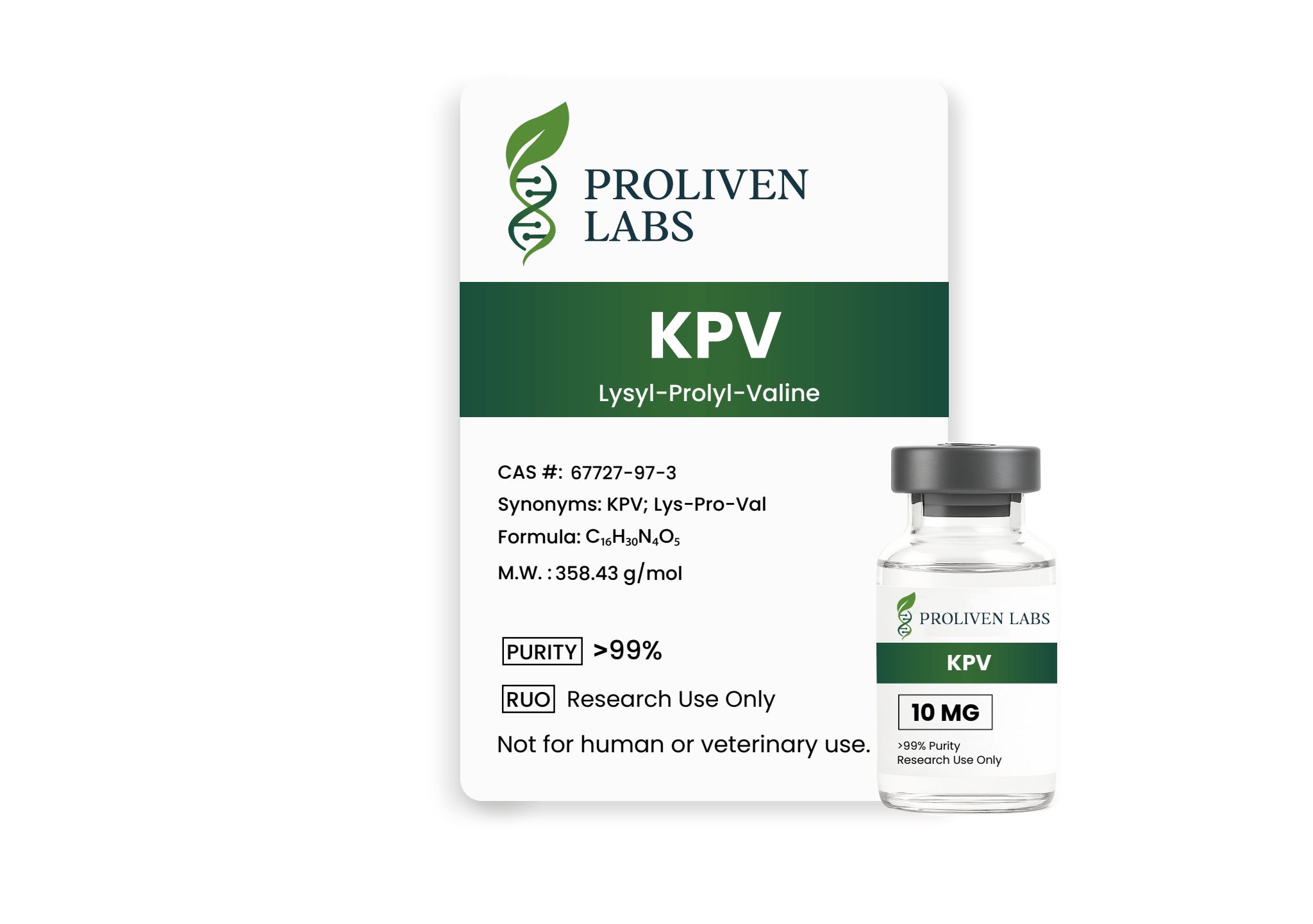
Chemical Name: Lysyl-Prolyl-Valine
Synonyms: KPV; Lys-Pro-Val
CAS Number: 67727-97-3
Molecular Formula: C₁₆H₃₀N₄O₅
Molecular Weight: 358.43 g/mol
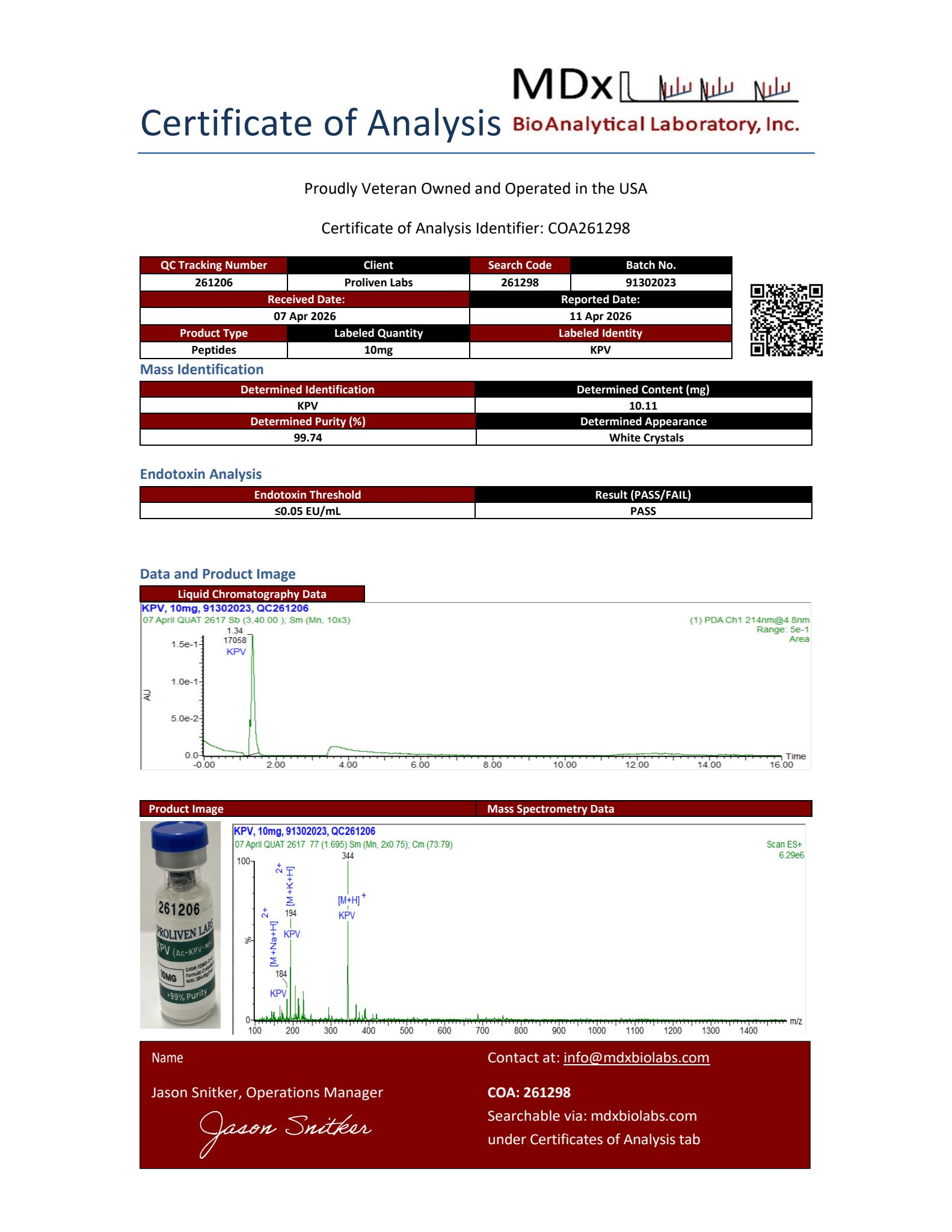
Purity: ≥99.5% (verified via HPLC)
Form: Lyophilized (freeze-dried) powder
Quantity: [INSERT MG – e.g., 10mg] per vial
Appearance: White lyophilized powder
Solubility:
Soluble in water and aqueous buffer systems. Suitable for reconstitution in sterile water or buffered laboratory solutions depending on experimental design.
pH Stability:
Stable across a range of neutral to mildly acidic conditions typical of peptide research environments.
Storage Conditions:
- Store lyophilized product at 2–8°C (short-term)
- For long-term storage, maintain at -20°C or below
- Protect from light and moisture
Handling Notes:
- Allow vial to reach room temperature before opening
- Use aseptic technique during handling
- Avoid repeated freeze-thaw cycles
Analytical Verification:
- High-performance liquid chromatography (HPLC) for purity
- Mass spectrometry (MS) for identity confirmation
Intended Use:
For research use only (RUO). Intended for laboratory investigation of inflammatory signaling, immune response pathways, and cellular biology. Not for human or veterinary use.
Regulatory Status:
Not approved by the U.S. FDA or any regulatory body for diagnostic, therapeutic, or clinical applications.
Research Applications
KPV peptide is widely utilized in research environments investigating inflammatory signaling pathways and immune system modulation. Its small size and defined mechanism make it particularly useful for isolating specific biological effects in controlled experimental systems.
Common research applications include:
Inflammatory Pathway Research
KPV has been studied for its ability to modulate key inflammatory mediators, including TNF-α and interleukin signaling pathways. It is frequently used in models examining cytokine-driven inflammation.
NF-κB Signaling Studies
KPV is known to influence NF-κB activation, a central transcription factor involved in inflammatory responses. This makes it a valuable tool in molecular biology and signaling pathway research.
Epithelial & Barrier Function Models
Preclinical studies have explored KPV in models of epithelial barrier integrity, particularly in gastrointestinal and dermal research systems.
Immune System Modulation Research
As a fragment of α-MSH, KPV is used to study melanocortin-related immune pathways and their effects on inflammatory regulation.
Cell Culture & In Vitro Models
KPV is commonly applied in cell-based systems to evaluate cellular responses to inflammatory stimuli and stress conditions.
This product is intended strictly for research use only (RUO). Not for human or veterinary use.
Mechanisms of Action
KPV exerts its biological activity primarily through modulation of inflammatory signaling pathways associated with melanocortin receptor activity.
Key mechanisms include:
NF-κB Inhibition
KPV has been shown to suppress activation of NF-κB, a transcription factor responsible for regulating inflammatory gene expression.
Cytokine Regulation
KPV reduces the production of pro-inflammatory cytokines such as TNF-α and IL-6 in experimental models, contributing to its role in inflammation research.
Melanocortin Pathway Activity
Derived from α-MSH, KPV interacts with melanocortin signaling pathways that are involved in immune modulation and inflammatory control.
Barrier Function Support
Studies suggest KPV may influence epithelial integrity and cellular junction stability in certain experimental systems.
These mechanisms position KPV as a targeted research compound for studying inflammation and immune signaling at the molecular level.
Reconstitution & Handling
Reconstitution:
KPV is supplied as a lyophilized powder and requires reconstitution prior to laboratory use.
Recommended Procedure:
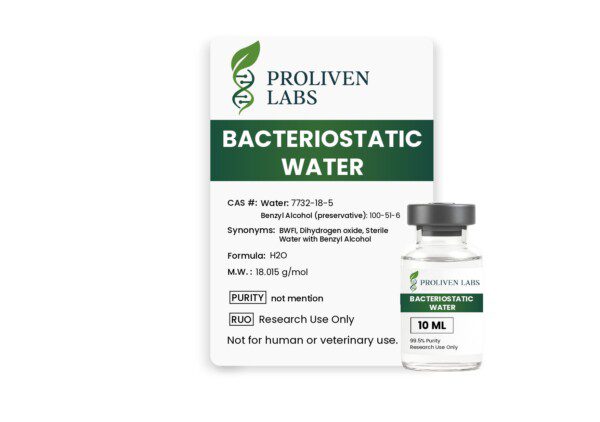
- Introduce sterile solvent (commonly bacteriostatic water) into the vial
- Typical reconstitution volume: 1–3 mL depending on experimental requirements
- Gently swirl until fully dissolved
- Do not shake
Solubility Notes:
KPV is water-soluble and typically dissolves readily under standard laboratory conditions.
Post-Reconstitution Handling:
- Store at 2–8°C
- Use within 14–30 days based on study design
- Avoid repeated freeze-thaw cycles
Pre-Reconstitution Storage:
- Store at 2–8°C (short-term)
- Store at -20°C for long-term stability
- Protect from light and moisture
Handling Precautions:
- Use aseptic laboratory techniques
- Ensure solution is clear prior to use
- Dispose of materials according to laboratory protocols
Research Protocols & Considerations
Research involving KPV peptide varies based on experimental design, model system, and study objectives.
In Vitro Research:
KPV is commonly used in cell culture systems investigating inflammatory signaling and immune responses.
Typical experimental concentrations vary depending on:
- Cell type
- Duration of exposure
- Study endpoints
Preclinical Models:
In animal research, KPV has been studied in models of inflammation and epithelial barrier function.
Experimental parameters vary based on:
- Delivery method
- Target tissue
- Study duration
General Considerations:
- Effects may be concentration-dependent
- Stability in solution should be considered during experimental design
- Appropriate controls should be used to isolate peptide-specific effects
Important:
This product is intended strictly for research use only (RUO) and is not for human or veterinary use.
Safety & Regulatory Notes
Research Use Only (RUO):
This product is intended exclusively for laboratory research.
Safety Profile:
- Effects depend on experimental conditions
- Data primarily derived from preclinical studies
- No established safety profile for combined or clinical use
Handling Precautions:
- Use appropriate PPE
- Avoid inhalation, ingestion, or contact
Regulatory Status:
- Not approved by FDA
- Not intended for therapeutic or diagnostic use
Compliance:
Researchers are responsible for adherence to all applicable regulations.
Quality Assurance
Each batch of KPV peptide undergoes comprehensive analytical testing to ensure identity, purity, and consistency.
Testing Includes:
- HPLC for purity verification (≥99.5%)
- Mass spectrometry for identity confirmation
Contaminant Screening:
- Heavy metals
- Microbial impurities
- Residual solvents (where applicable)
Certificate of Analysis (COA):
Batch-specific COA available for:
- Identity
- Purity
- Analytical results
COA Lookup Available → [Insert COA Lookup Link]
Manufacturing Standards:
Produced under controlled synthesis conditions to ensure:
- Batch consistency
- Stability
- Reproducibility
Batch Traceability:
Each vial includes a unique batch number.
Disclaimer:
This product is intended strictly for research use only (RUO).
It is not intended for human or veterinary use and is not approved for:
- Diagnosis
- Treatment
- Cure
- Prevention of any disease
By purchasing this product, the user acknowledges that:
- The material will be used solely for laboratory research
- The user is qualified to handle research chemicals
- All use complies with applicable regulations
The purchaser assumes full responsibility for proper handling, storage, and use.


Reviews
There are no reviews yet.