
Description
Product Overview
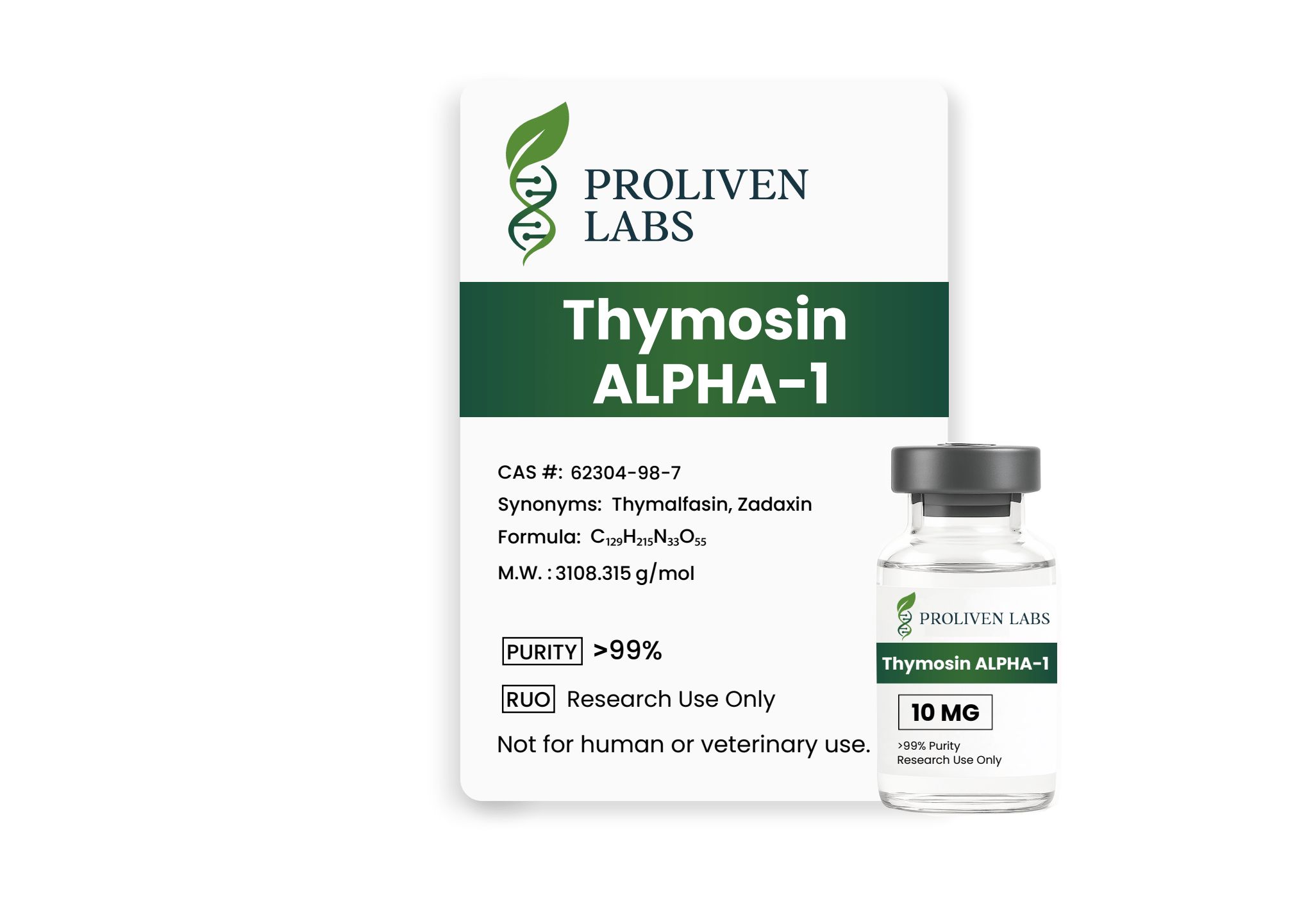
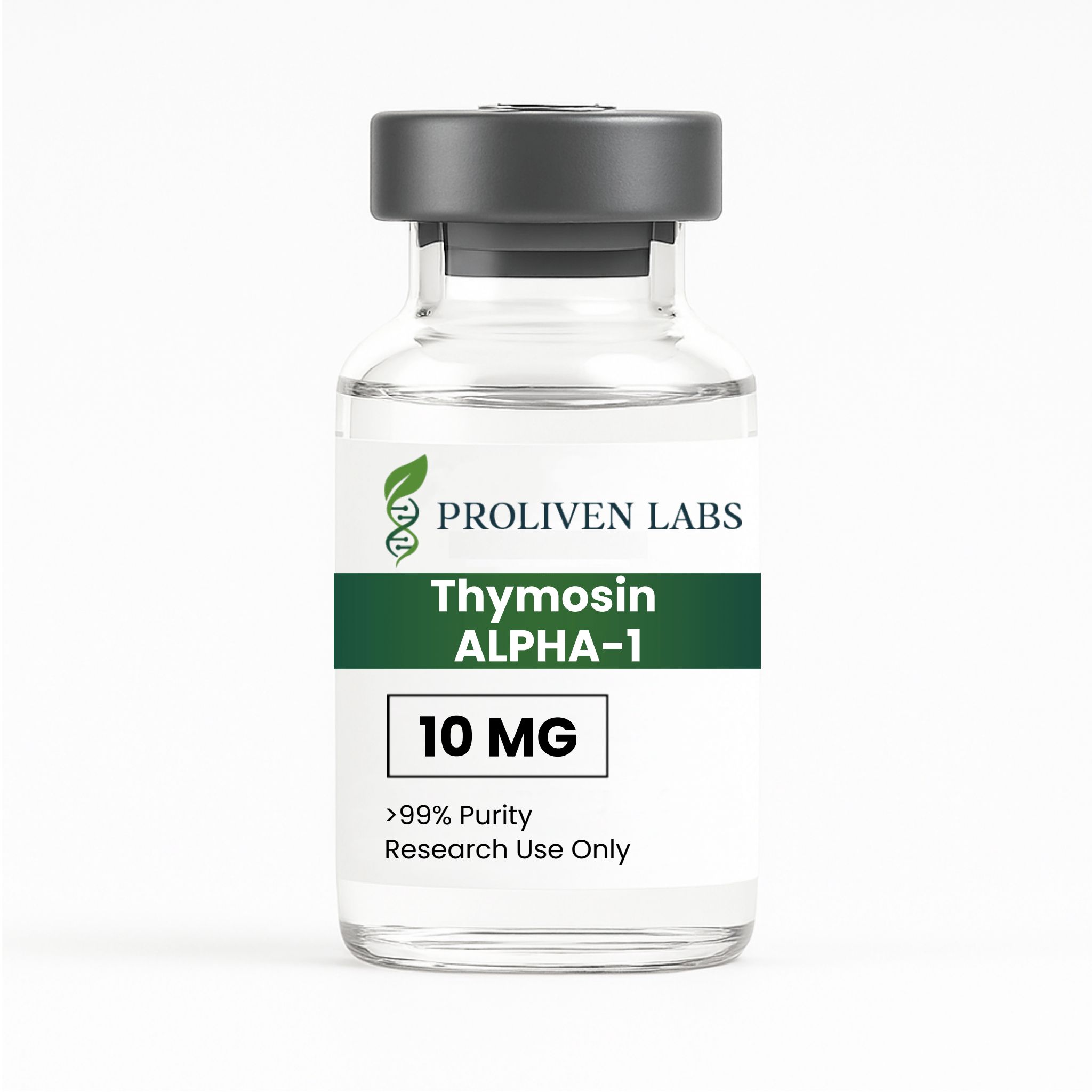
Thymosin Alpha-1 (Tα1), also known as thymalfasin, is a high-purity, synthetic peptide composed of 28 amino acids, designed to replicate the naturally occurring peptide produced by the thymus gland. Encoded by the PTMA gene in humans, Tα1 is derived from prothymosin alpha and has a molecular weight of approximately 3108 Da. Supplied as a lyophilized (freeze-dried) powder in a 10mg sterile vial, this peptide is optimized for maximum stability and shelf life, making it an essential tool for advanced laboratory research in immunology, virology, oncology, and related fields. Synthesized to achieve >99% purity through solid-phase peptide synthesis, this product ensures consistency and reliability for in vitro studies. Thymosin Alpha-1 is intended strictly for research purposes and is not approved for human or animal consumption.
Composition and Specifications
- Active Ingredient: Thymosin Alpha-1 (Tα1), 10mg per vial
- CAS Number: 62304-98-7
- Molecular Formula: C129H215N33O55
- Molecular Weight: ~3108.3 g/mol
- Sequence: Ac-Ser-Asp-Ala-Ala-Val-Asp-Thr-Ser-Ser-Glu-Ile-Thr-Thr-Lys-Asp-Leu-Lys-Glu-Lys-Lys-Glu-Val-Val-Glu-Glu-Ala-Glu-Asn-OH
- Appearance: White crystalline solid (lyophilized powder)
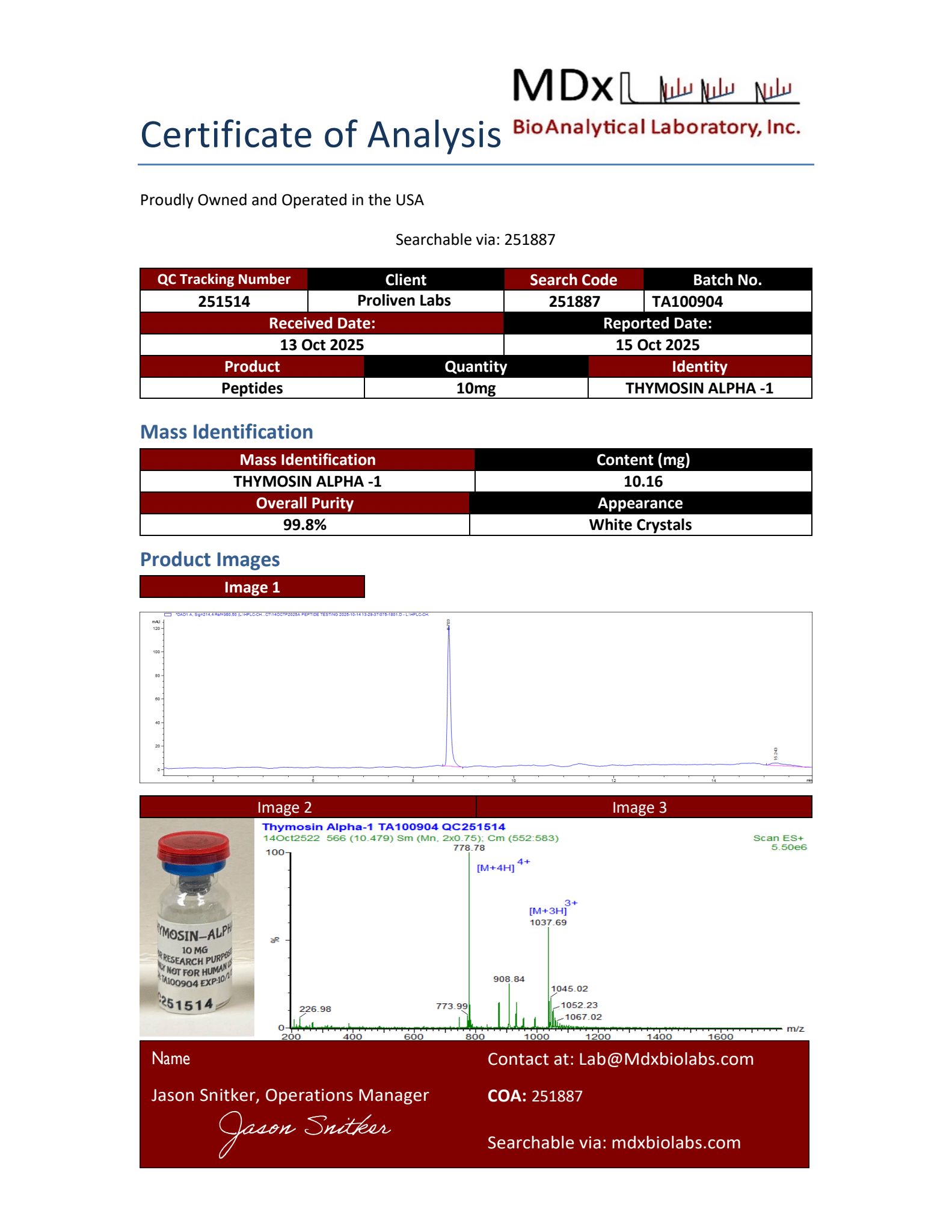
- Purity: >99%, verified by high-performance liquid chromatography (HPLC), sodium dodecyl sulfate-polyacrylamide gel electrophoresis (SDS-PAGE), or enzyme-linked immunosorbent assay (ELISA)
- Solubility: Soluble in sterile or bacteriostatic water (not included); may also be reconstituted in buffered solutions compatible with peptide stability
- Solution Color: Clear and colorless upon reconstitution
- Packaging: Sealed, sterile borosilicate glass vial, filled with inert gas (e.g., nitrogen) or under vacuum to prevent oxidation and ensure product integrity during shipping and storage
- Vial Size: Typically 2ml or 3ml capacity, containing 10mg of lyophilized Tα1
- Storage Conditions:
- Lyophilized Form: Store at ≤ 4°C (refrigerated) in a cool, dry, dark environment. Avoid exposure to ultraviolet (UV) light, excessive heat, or humidity.
- Reconstituted Form: Store at 2–8°C (refrigerated, never frozen) and use within 7–14 days to prevent degradation. Avoid repeated freeze-thaw cycles.
- Shelf Life: Up to 24 months when stored properly in lyophilized form; consult supplier for exact expiration date.
- Intended Use: Exclusively for in vitro laboratory research and development. Not for diagnostic, therapeutic, or preventive use in humans or animals.
Research Applications
Thymosin Alpha-1 is widely studied for its potential in various research domains, including:
- Immunomodulation:
- Enhances T-cell progenitor differentiation into CD4+, CD8+, and regulatory T-cells (Tregs), strengthening adaptive immunity.
- Upregulates Major Histocompatibility Complex (MHC) class I molecules, improving immune surveillance.
- Boosts NK cell and lymphokine-activated killer (LAK) cell activity, critical for targeting virus-infected cells and tumors.
- Viral Infections:
- Investigated for its role in managing chronic viral infections, such as hepatitis B and C, by enhancing T-cell responses and reducing viral load.
- Preclinical studies suggest potential in reducing mortality in severe COVID-19 models by repairing lymphocytic immunity and mitigating cytokine storms.
- Shows promise in antifungal research, particularly against Aspergillus infections, by enhancing dendritic cell activity.
- Cancer Research:
- Supports cytotoxic T-cell activity and antibody production, potentially aiding in tumor suppression.
- Studied for its role in enhancing immune responses in combination with cancer therapies, such as chemotherapy or immunotherapy.
- Vaccine Adjuvant Potential:
- Hypothesized to improve the efficacy of inactivated vaccines by boosting cell-mediated immunity, increasing antibody titers, and enhancing immune memory.
- Anti-Inflammatory Effects:
- Reduces proinflammatory cytokine production (e.g., TNF-alpha, IL-1beta) at inflammation sites, potentially alleviating pain and tissue damage in conditions like cystic fibrosis or arthritis.
- Murine studies suggest Tα1 may modulate inflammation in chronic inflammatory models.
- Cystic Fibrosis:
- Improves cystic fibrosis transmembrane conductance regulator (CFTR) protein function and reduces lung inflammation in preclinical models.
- Immune Restoration:
- Protects against cytotoxic damage in immunocompromised models (e.g., post-chemotherapy or irradiation).
- Enhances immune recovery in models of physiological stress or immunosuppression.
- Other Applications:
- Explored for its role in promoting recovery in traumatic dental damage and enhancing resistance to bacterial infections.
- Investigated for potential neuroprotective effects and pain modulation in inflammatory conditions.
Mechanism of Action
Thymosin Alpha-1 exerts its effects through multiple molecular pathways:
- T-Cell Activation: Promotes differentiation and maturation of T-cell subsets (CD4+, CD8+, Tregs), enhancing adaptive immune responses.
- Cytokine Production: Stimulates production of proinflammatory cytokines (e.g., IFN-γ, IL-2, IL-3, IL-12) via TLR activation in dendritic cells, particularly through MyD88 and NF-kB signaling pathways.
- Dendritic Cell Priming: Enhances dendritic cell maturation and IL-12 production, supporting antifungal and antiviral immunity.
- NK Cell Enhancement: Increases NK cell cytotoxicity, aiding in the elimination of infected or malignant cells.
- Anti-Inflammatory Modulation: Inhibits excessive proinflammatory cytokine production at inflammation sites, potentially reducing tissue damage and pain.
- Immune Homeostasis: Balances innate and adaptive immunity, preventing excessive immune activation while promoting effective responses to pathogens or stressors.
Production and Quality Assurance
Thymosin Alpha-1 is manufactured using solid-phase peptide synthesis, the only method approved for producing Tα1 for clinical and research purposes. This process ensures high purity (>99%) and eliminates biological contaminants associated with extraction from calf thymuses or recombinant methods. Each batch undergoes rigorous quality control, including:
- HPLC Analysis: Confirms peptide purity and composition.
- SDS-PAGE: Verifies molecular weight and integrity.
- ELISA: Ensures immunological activity and consistency.
- Sterility Testing: Confirms absence of microbial contaminants.
- Endotoxin Testing: Ensures levels are below acceptable thresholds for research-grade peptides.
The final product is lyophilized to enhance stability and packaged in sterile vials under inert conditions to prevent degradation.
Storage and Handling Instructions
- Lyophilized Storage: Store at ≤ 4°C in a dark, dry environment. Avoid exposure to UV light, heat, or humidity to prevent degradation.
- Reconstitution:
- Use sterile or bacteriostatic water (not included) for reconstitution. A common protocol involves adding 2ml of bacteriostatic water to a 10mg vial, yielding a concentration of 5mg/ml (5000mcg/ml), or 20 x 0.1ml doses of 500mcg each.
- Gently swirl or roll the vial to dissolve; do not shake to avoid denaturing the peptide.
- Sanitize the vial stopper with an alcohol prep pad before needle insertion to maintain sterility.
- Post-Reconstitution Storage: Store at 2–8°C (refrigerated) and use within 7–14 days. Do not freeze reconstituted solutions, as this may compromise peptide integrity.
- Visual Inspection: Vials may appear empty due to the fine lyophilized powder settling at the bottom. Gently tap to confirm presence before reconstitution.
- Handling Precautions: Use in a controlled laboratory environment with appropriate personal protective equipment (PPE). Follow aseptic techniques to prevent contamination.
Safety and Regulatory Information
- Intended Use: For in vitro laboratory research only. Not approved by the U.S. Food and Drug Administration (FDA) or any other regulatory body for diagnostic, therapeutic, or preventive use in humans or animals.
- Safety Precautions:
- Handle only by qualified researchers trained in peptide handling and laboratory safety.
- Avoid inhalation, ingestion, or contact with skin or eyes. In case of accidental exposure, rinse thoroughly and seek medical advice.
- Keep out of reach of children and unauthorized personnel.
- Regulatory Compliance: Researchers are responsible for ensuring compliance with all applicable local, national, and international regulations governing the use of research peptides.
- Disclaimer: The manufacturer and supplier assume no liability for misuse, improper handling, or off-label use of this product. All research must adhere to ethical and legal guidelines.
Conclusion
Thymosin Alpha-1 (10mg) is a premium-grade research peptide offering unparalleled opportunities for studying immunomodulation, infection control, and immune restoration. Its high purity, rigorous manufacturing standards, and extensive research applications make it an indispensable tool for scientists exploring the frontiers of immunology and related fields. By adhering to proper storage, handling, and regulatory guidelines, researchers can leverage Tα1’s potential to advance scientific understanding and innovation.


Reviews
There are no reviews yet.